Asbestos was widely used in British construction because of its strength, durability and resistance to heat. Although its use was completely banned in the UK in 1999, asbestos containing materials can still be present in homes that were built or refurbished before 2000.
Finding a material that may contain asbestos can be worrying. However, its presence does not always mean that there is an immediate danger. The greatest risk arises when asbestos containing materials are damaged, disturbed or removed incorrectly, allowing microscopic fibres to become airborne.
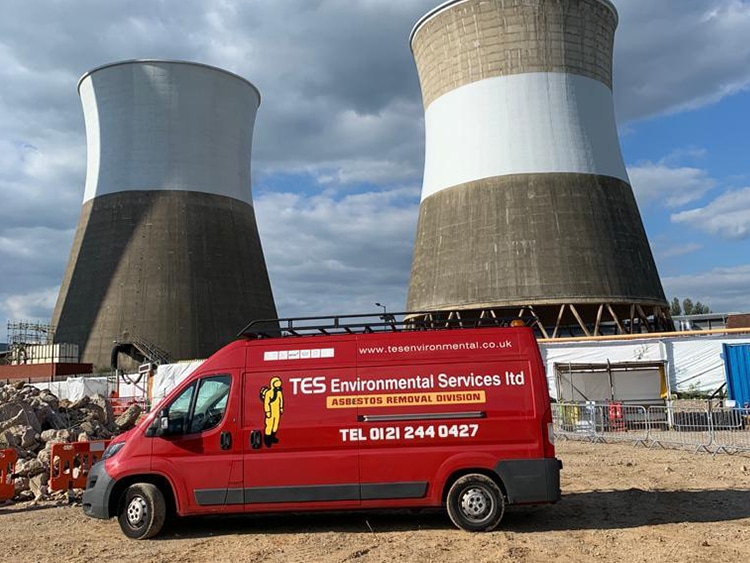
Professional domestic asbestos removal helps homeowners manage this risk safely. TES Environmental Services Ltd provides licensed asbestos removal services for homes across Birmingham, London, the North West and many other areas of the UK.
Where Can Asbestos Be Found in the Home?
Asbestos was incorporated into many common building products. It may be concealed behind other materials, painted over or located in areas that are rarely inspected.
According to the Health and Safety Executive, asbestos may be found in several parts of a residential property. Common examples include textured coatings on ceilings and walls, asbestos insulating board, pipe and boiler lagging, cement water tanks, vinyl floor tiles, bath panels, partition walls, soffits, garage roofs, gutters and downpipes.
It is not normally possible to confirm whether a building material contains asbestos simply by looking at it. If you are planning refurbishment, repairs or demolition work in an older property, arranging an asbestos survey or test before work begins can help prevent accidental disturbance.
Is Asbestos in a Home Always Dangerous?
Asbestos containing materials that are in good condition and unlikely to be disturbed may sometimes be left in place and managed. In certain circumstances, encapsulation can be used to seal the material and reduce the possibility of fibre release.
Removal may be recommended when the material is damaged, deteriorating or located where future maintenance and refurbishment work could disturb it. The appropriate solution depends on the type of asbestos, its condition, its location and the proposed use of the area.
A competent asbestos professional can assess these factors and recommend a suitable course of action. This prevents unnecessary removal while ensuring that materials presenting a genuine risk are dealt with correctly.
Why DIY Asbestos Removal Is Dangerous
Attempting to remove suspected asbestos without the correct training and equipment can expose you, your family, contractors and neighbours to harmful fibres. Drilling, sanding, cutting, scraping or breaking an asbestos containing material can release fibres that are too small to see.
The HSE advises householders not to repair or remove asbestos materials themselves unless they have received appropriate training for non licensed asbestos work. While some lower risk asbestos tasks do not legally require a licensed contractor, they still require proper training, risk assessment and control measures.
Higher risk work, including many activities involving pipe lagging, sprayed coatings, loose fill insulation and asbestos insulating board, must be undertaken by an HSE licensed contractor. Choosing an experienced domestic asbestos removal company gives you confidence that the material will be assessed, controlled and removed using appropriate procedures.
What Happens During Domestic Asbestos Removal?
The process begins with identifying the asbestos containing material and determining the level of risk. Existing survey or testing results may be reviewed, or sampling may be arranged if the material has not yet been confirmed.
The removal team then prepares a detailed plan of work. This explains how the area will be controlled, how exposure will be minimised and how the asbestos waste will be removed from the property.
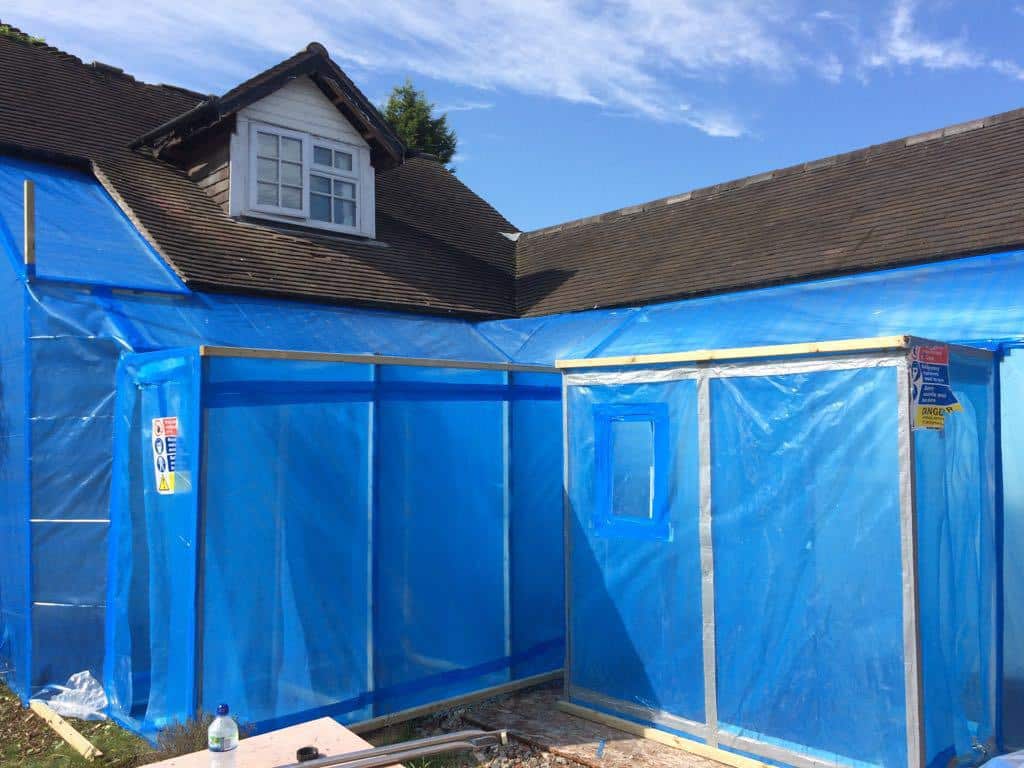
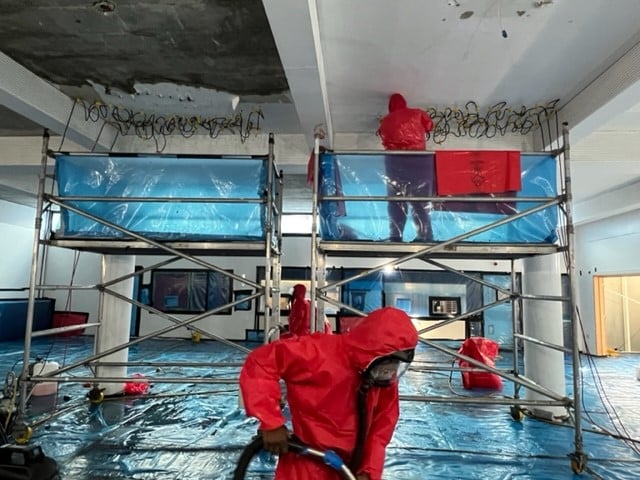
Depending on the material and the nature of the work, a sealed enclosure may be constructed around the working area. The enclosure can be placed under negative pressure, which helps prevent asbestos fibres from escaping into other parts of the home. Controlled wetting techniques and fibre suppressant solutions may also be used to minimise the release of dust during removal.
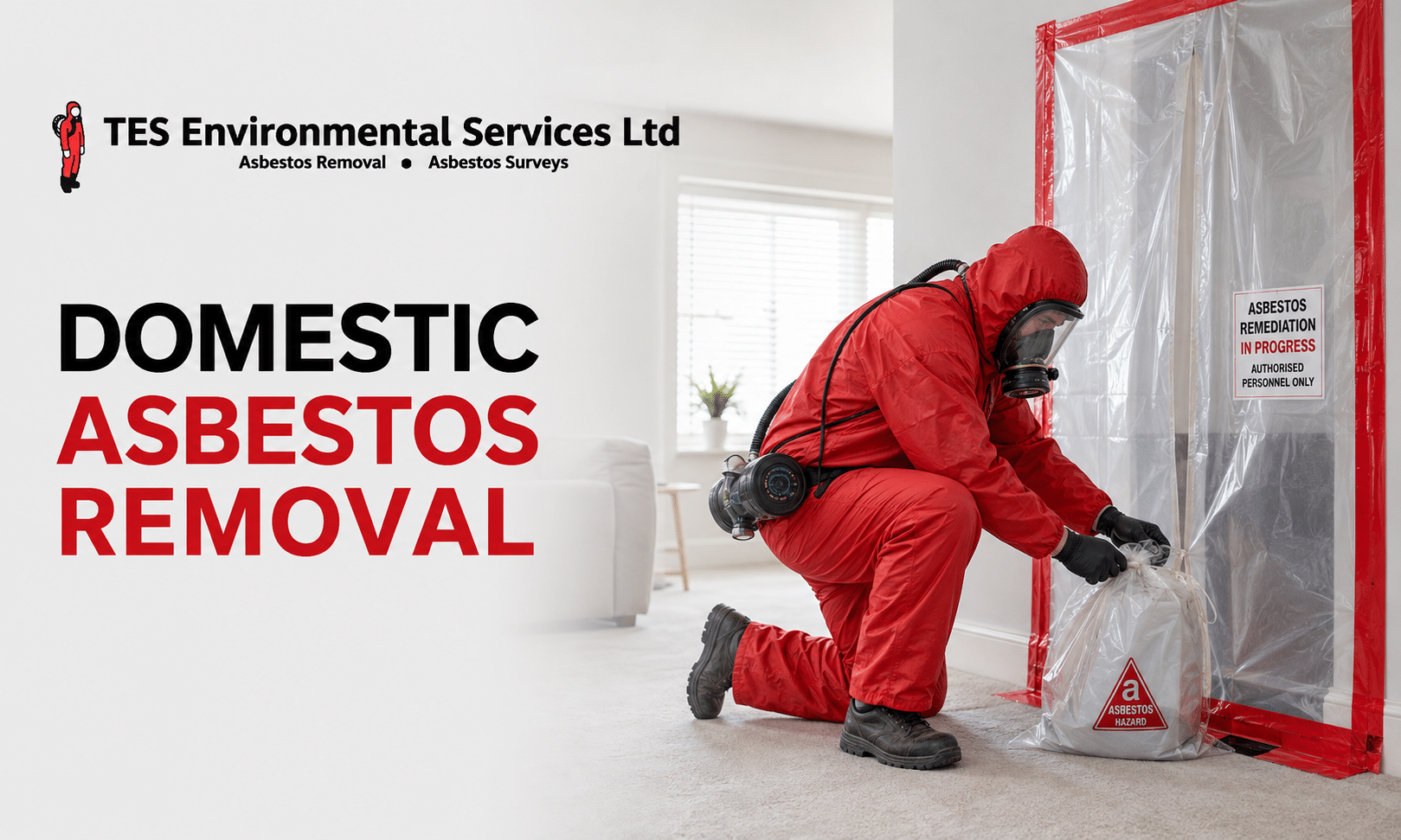
The asbestos waste is securely packaged, labelled and transported to an authorised disposal facility. The working area is then carefully cleaned and inspected.
For licensed asbestos removal work that requires formal clearance, an independent UKAS accredited analytical organisation carries out the relevant inspection and air testing procedures. A certificate of reoccupation is issued when the area has passed the required clearance process and can be safely used again.
Preparing Your Home for Asbestos Removal
Your asbestos removal contractor should explain what you need to do before work starts. You may be asked to remove personal belongings from the affected area, provide access to particular rooms or avoid part of the property while the work is taking place.
Do not touch, move or attempt to clean the suspected material before the specialists arrive. If material has already been damaged, keep people and pets away from the area. Avoid sweeping or using a standard household vacuum cleaner, as these actions may spread fibres.
Contact an asbestos professional promptly and describe what has happened. They can advise you on the immediate precautions to take and arrange an assessment.
Choosing a Domestic Asbestos Removal Company
When comparing asbestos removal companies, check whether the contractor holds the correct HSE licence for the proposed work. You should also ask about training, insurance, waste disposal arrangements and the control measures that will be used inside your home.
A professional contractor should clearly explain the scope of work and provide suitable documentation. Be cautious of anyone who recommends immediate removal without first establishing what the material is, or who cannot explain how the work will be completed safely.
TES Environmental Services Ltd is licensed to remove different types of asbestos in a wide range of environments. Our trained teams use controlled working methods designed to protect householders, employees and anyone else who may be affected by the work.
Arrange Professional Domestic Asbestos Removal
If you have discovered suspected asbestos or are preparing to renovate an older home, seek professional advice before disturbing the material. Early investigation can help you understand the risk, plan your project and avoid unexpected delays.
TES Environmental Services Ltd provides asbestos testing, surveys and domestic asbestos removal for homeowners across the UK. Our team can assess your requirements and explain the appropriate next steps for your property.
To discuss domestic asbestos removal, call TES Environmental Services Ltd on 0121 244 0427 or submit an enquiry through our website.